
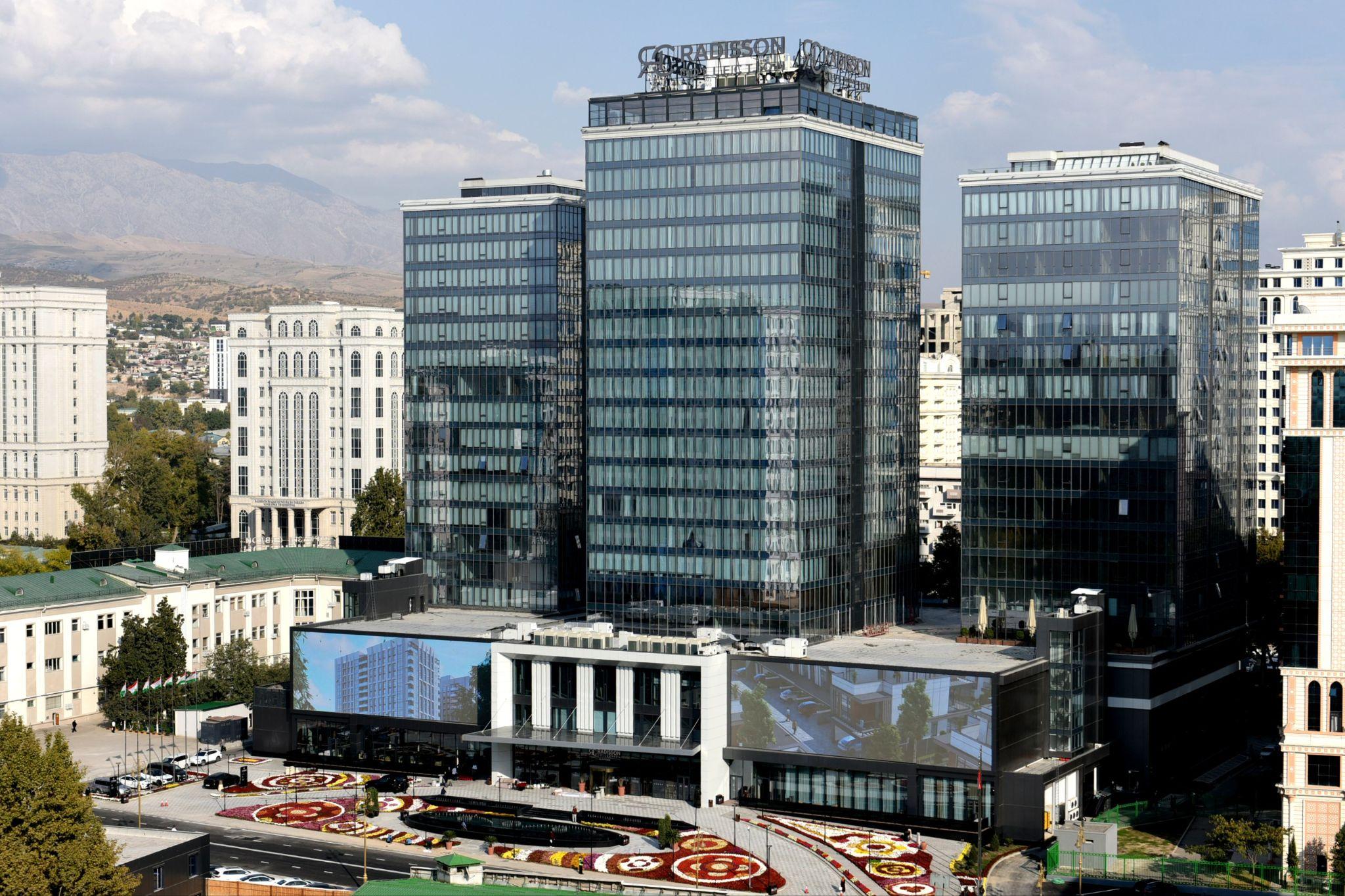
Central Mall Shopping Centre Opens in Dushanbe
Photo: Press Service of the President of the Republic of Tajikistan
Dushanbe, Tajikistan, 30 October 2026. Central Mall, a shopping and entertainment complex located on Rudaki Avenue in central Dushanbe, has officially opened. The opening ceremony, attended by Tajikistan’s President Emomali Rahmon, showcased the shopping centre’s facilities and the amenities available to visitors.
Developed by Sebiston Group, the project includes 16,859 square metres of gross leasable area. The complex features stores across various categories, a supermarket, restaurants and cafés, a cinema, and a family entertainment centre. The retail areas span from the basement level (-1) to the third floor, and the complex has parking for more than 200 vehicles. Central Mall also includes a 21-storey Radisson hotel and two residential towers. Bringing together shopping, dining and leisure facilities, the complex is one of the important components of Dushanbe’s modern urban infrastructure.
In 2024, CASE Advisory provided consulting services for Central Mall, including market research, the revision of the commercial concept, internal space planning, and the development of a strategy for the shopping centre’s development.
Central Mall was one of the most complex and multi-stage projects undertaken by our team. This was due not only to the scale of the project but also to several significant constraints that had emerged before our work began.
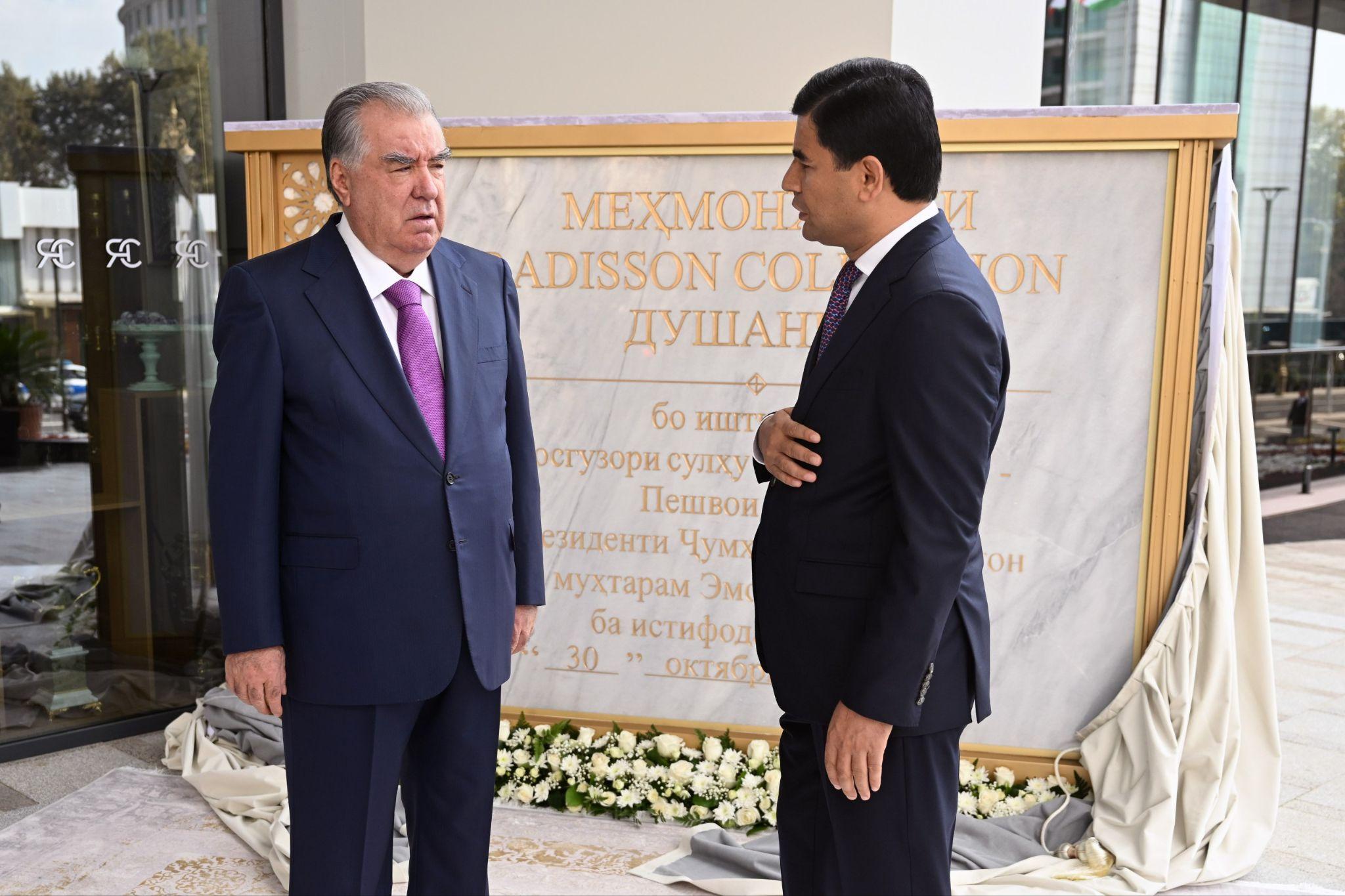
Photo: Press Service of the President of the Republic of Tajikistan
The Building Was Ready, but the New Concept Required a Different Approach
By the time CASE Advisory was engaged, construction of the building, including its exterior façade, had already been completed.
As a rule, it is advisable to develop a shopping centre’s commercial concept before construction begins. This is because the mix of goods and services, the selection of key tenants, the configuration of spaces, visitor flows, and engineering requirements directly influence the building’s architectural solutions.
In the case of Central Mall, these tasks had to be addressed within the structural and technical constraints of the existing building.
The main objective of the CASE team was to reassess the internal spaces of the completed building, develop a commercial concept that met market requirements, and identify ways to use the available opportunities effectively.
One of the most important features of the project was that, before CASE Advisory began its work, certain commercial units had already been sold to different owners under the previous concept. This significantly complicated the development of a new concept.
Whenever it became necessary to change the size of retail spaces, combine individual units, or revise their intended functions, the interests of the existing owners also had to be taken into account.
Negotiations with the owners and the coordination of new solutions were handled by the client. CASE Advisory, in turn, developed alternative layout and commercial solutions within these constraints.
This factor became one of the main reasons for the repeated revision of the project’s layout plans.
Why Can Selling Individual Units in a Shopping Centre Create Problems?
A shopping centre is a more complex commercial system than simply a collection of individual stores.
Its long-term success depends on the alignment of its merchandise mix, key tenants, visitor traffic, marketing, management, and leasing strategy.
Selling units to a large number of independent owners can make it difficult to implement a unified commercial strategy.
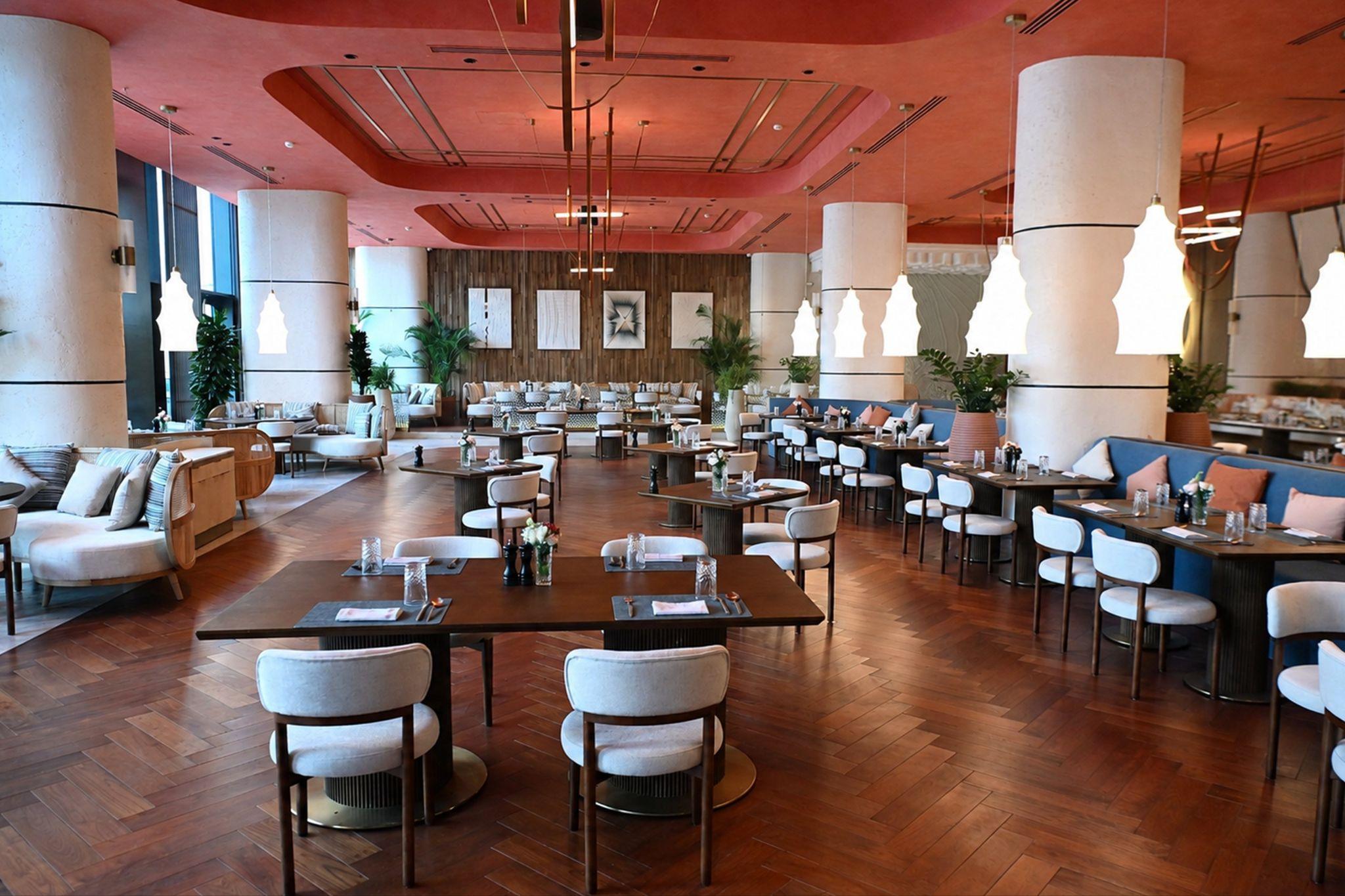
Photo: Press Service of the President of the Republic of Tajikistan
The main risks of this model include:
- Limited control over the merchandise mix. The individual interests of each owner may hinder the development of an appropriate mix of goods and services for the shopping centre.
- Difficulties in attracting major brands. Combining or reconfiguring spaces to meet the requirements of international and local retail chains may require agreements with numerous parties.
- Constraints on updating the concept. When market demand changes, adapting the functional use or configuration of spaces becomes more difficult.
- Challenges in maintaining unified management. Additional mechanisms are required to coordinate leasing policies, marketing, service quality, and common standards.
Therefore, when selecting an ownership model for shopping centres based on professional management and a unified leasing strategy, it is important to consider this issue carefully at the initial project development stage.
Central Mall was one practical example of how these decisions can affect subsequent stages of project implementation.
More Than 40 Layout Options
During the project, the CASE Advisory team developed more than 40 floor layout options.
This involved more than simply preparing different drawings. Each option required several issues to be addressed simultaneously:
- developing a merchandise mix that met market requirements;
- efficiently distributing retail spaces across floors;
- correctly positioning key functions that attract the main flow of visitors;
- improving visitor circulation and navigation;
- taking into account the location of escalators and lifts, as well as movement between floors;
- adapting the layouts to existing structural and engineering constraints;
- accounting for restrictions associated with sold commercial units and their owners.
Most of the layout options were developed specifically to adapt commercially viable solutions to the existing building and the established ownership structure.
From Market Research to Commercial Strategy
As part of the project, CASE Advisory studied Dushanbe’s retail market, competitors, the purchasing power of the population, the project’s catchment area, and consumer needs.
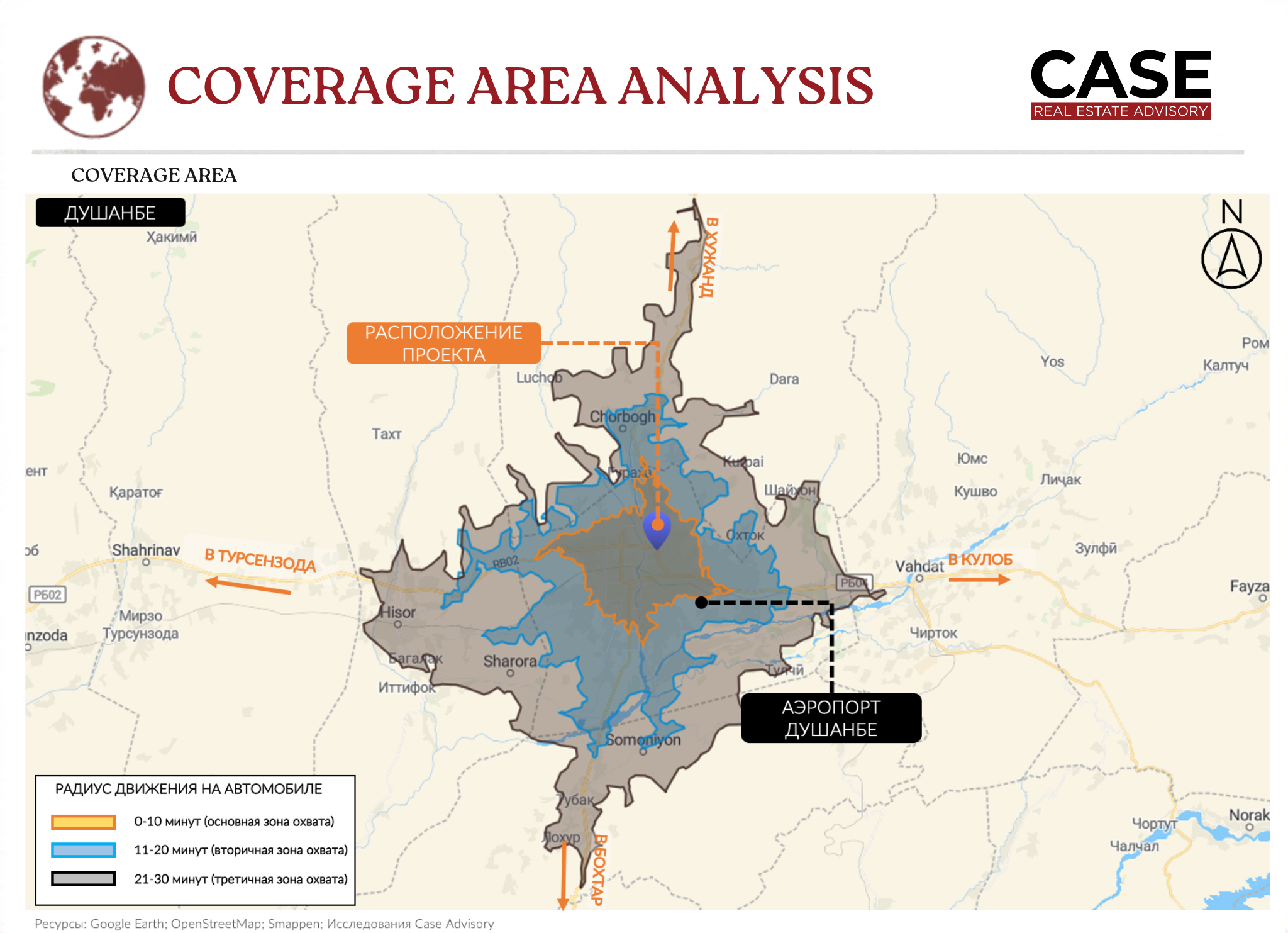
Based on the research findings, recommendations were developed regarding the shopping centre’s market positioning, merchandise mix, functional allocation of spaces, and future commercial development.
The project also covered leasing strategy, additional revenue streams, service areas, and the organisation of professional management.
The main task for CASE was not simply to divide the completed building into stores, but to develop a concept for a shopping centre capable of operating as a unified commercial system within the existing constraints.
“The Central Mall project provided valuable experience in developing a market-oriented commercial concept within the constraints of an existing building and ownership structure. This project once again demonstrated that a shopping centre’s long-term success depends not only on a well-developed strategy but also on a consistent approach and the right decisions throughout its implementation,” said Aziz Shermukhamedov, Head of CASE Advisory.
CASE Advisory completed its consulting work on the Central Mall project in 2024, after which the project continued to be implemented. At subsequent stages, some decisions were changed, and not all the ideas and recommendations developed were fully incorporated into the final property.
Therefore, the Central Mall that has opened today does not fully reflect every aspect of the concept developed by CASE Advisory in 2024.
This illustrates an important principle in commercial real estate development: alongside a well-developed strategy, its consistent implementation at subsequent stages is equally important.
Ongoing Cooperation
Central Mall is part of a broader collaboration between CASE Advisory and Sebiston Group that encompasses several projects.
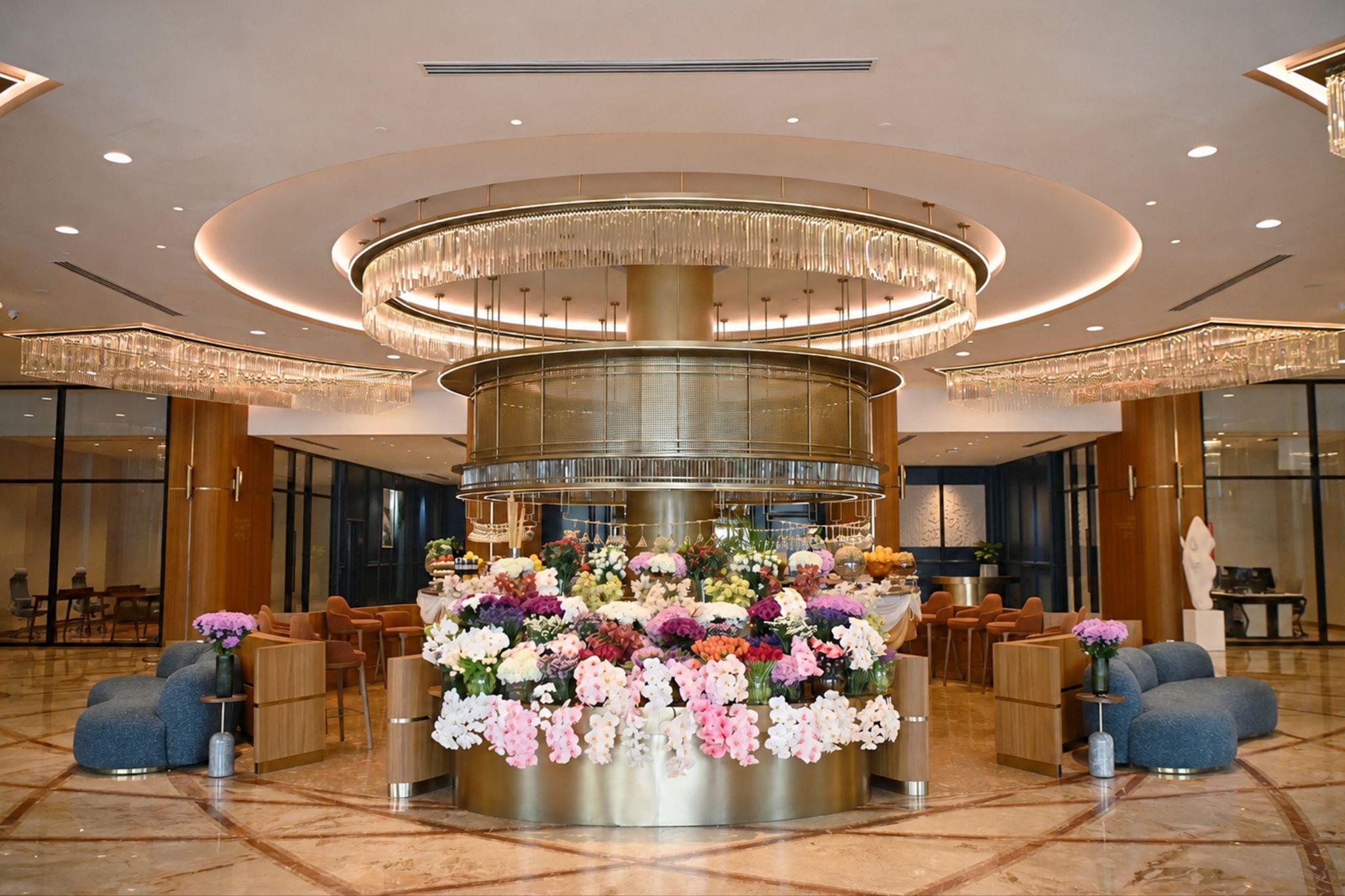
Photo: Press Service of the President of the Republic of Tajikistan
In addition to Central Mall, CASE Advisory has worked on Sebiston Group’s Gissar Mall and Scandinavia projects. Cooperation is currently continuing on the Vakhdat Mall project.
These projects, which vary in scale and concept, expand CASE Advisory’s practical experience in Tajikistan’s commercial real estate market and provide opportunities to gain a deeper understanding of local market characteristics.
Today, Central Mall is entering a new stage of its development.
For CASE Advisory, the project will remain an important professional experience in revising a commercial concept within the constraints of an existing building, established ownership arrangements, and technical limitations.
CASE Advisory is a consulting company specialising in the strategic development of commercial real estate. The company helps investors, developers, and landowners make informed decisions when developing new projects and reviewing and developing existing properties, including shopping centres, hotels, resorts, and mixed-use complexes, through market analysis, financial feasibility assessments, and concept development. The company has been operating in the market for more than seven years and has participated in over 100 projects across eight countries. The total investment in these projects exceeds USD 5 billion, and their combined area is more than 8 million square metres.