
Lutfiy 47: A New National Space Bringing Together Education, Business and Gastronomy
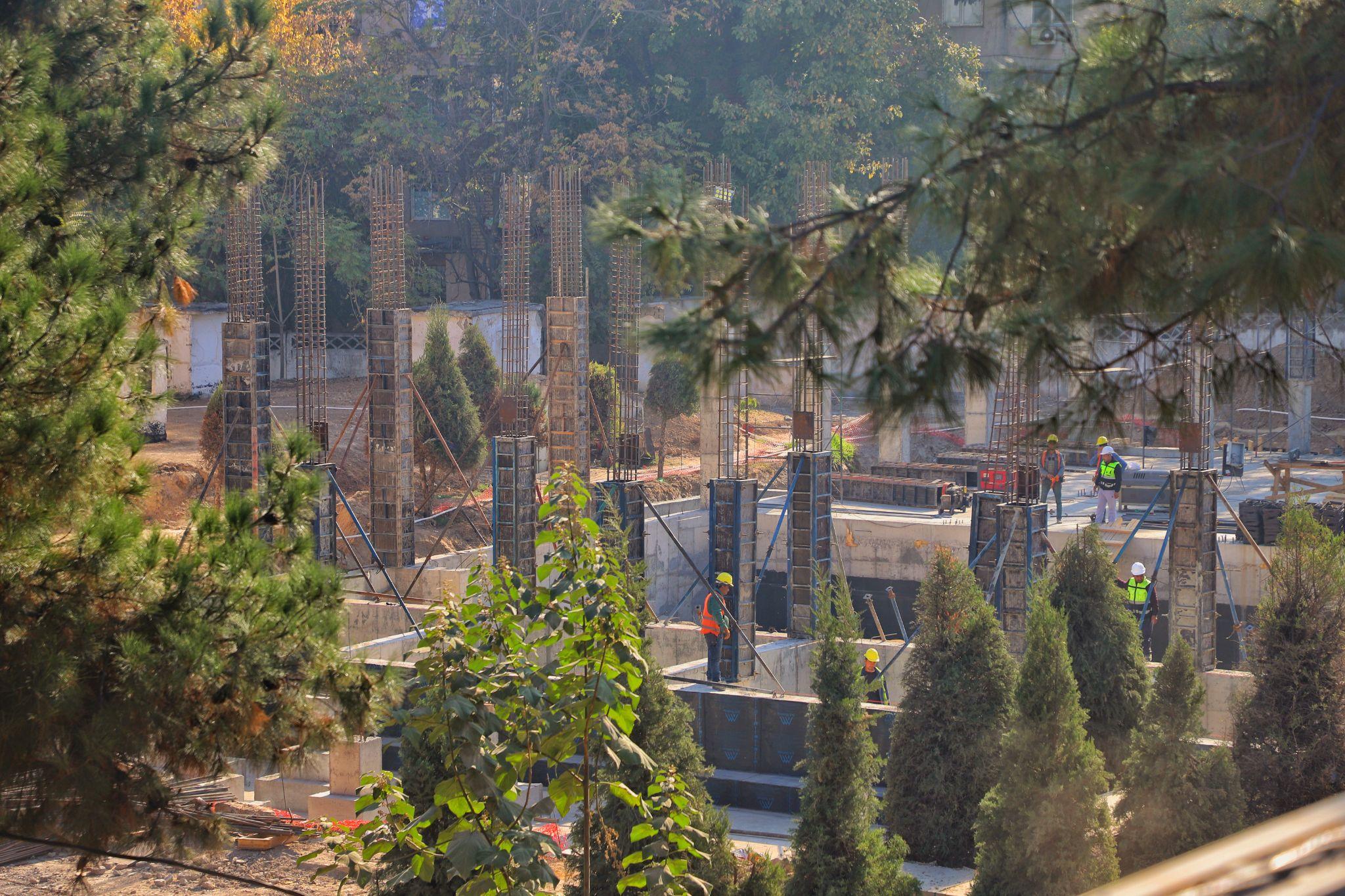
Six buildings located on a 3-hectare site at the intersection of Lutfiy and Chopon Ota streets in the Chilanzar district form the foundation of the Lutfiy 47 project. The investor approached the CASE Advisory team to explore ways to use and develop this site effectively. Our task was to analyse the idea of bringing together IT and design schools, coworking spaces, gastronomy and event venues, assess its market potential, and recommend optimal solutions for the project.
The study found no direct equivalents of this format in Uzbekistan. Therefore, the investor faced several key questions: Would this concept work in the market? How should the buildings and spaces be allocated? And what economic results could the project deliver?
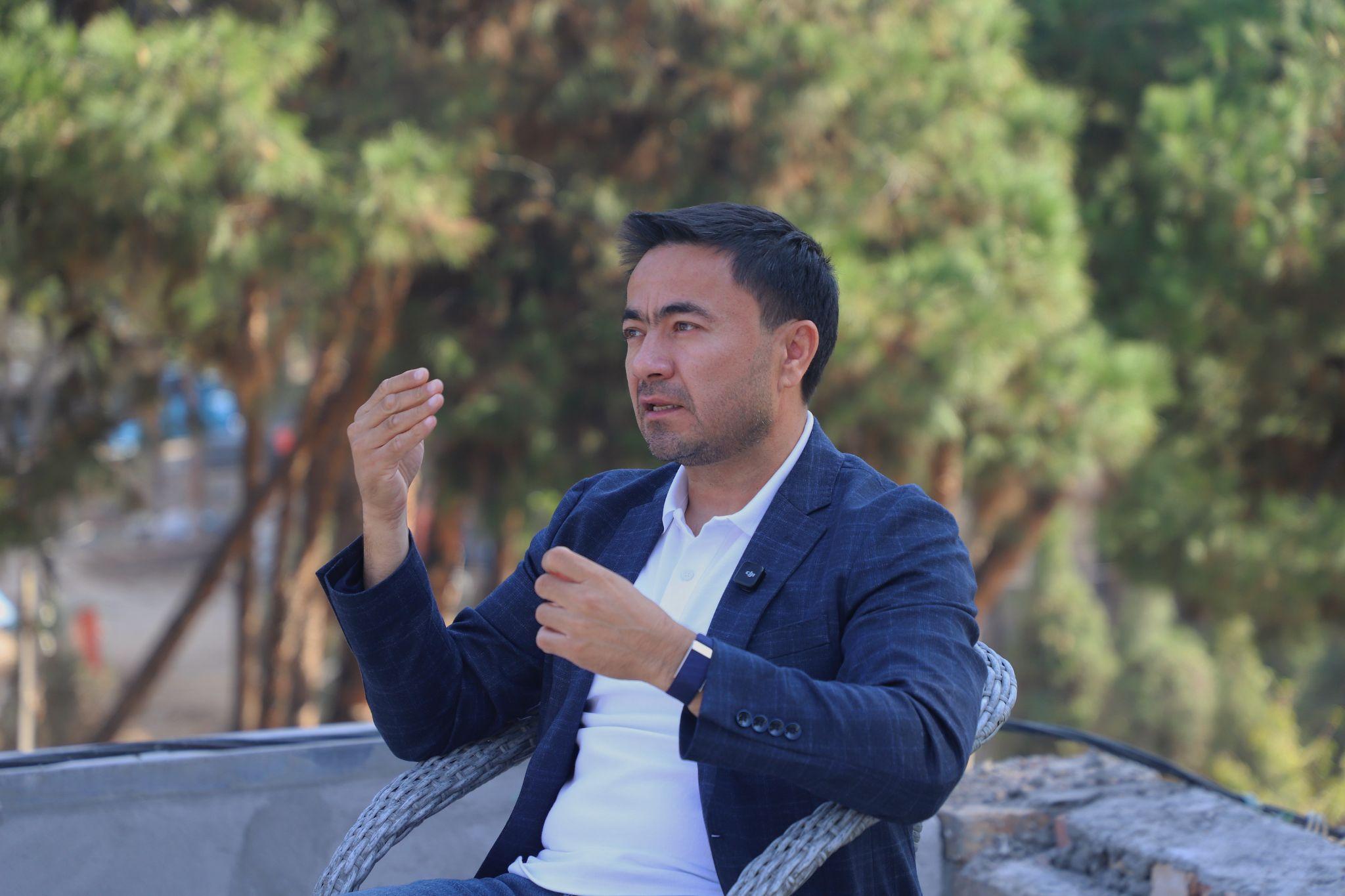
Sarvar Rashidov, founder of Lutfiy 47 / Photo: Case Advisory
“When choosing CASE Advisory, their professional experience was not the only factor that played an important role; the company's values mattered as well. I appreciated the company's commitment to adapting international knowledge and experience to the specific characteristics of the local market and contributing to Uzbekistan's development. For me, this is not simply a service provider, but a partner that believes in the project's potential and is genuinely committed to contributing to its development,” said Sarvar Rashidov, founder of Lutfiy 47.
What did we do?
We studied international experience. We reviewed 88 projects across 27 countries. Eight of them were examined in greater detail: LX Factory in Lisbon, Huashan 1914 in Taiwan, Flacon and Khlebozavod No. 9 in Moscow, PMQ in Hong Kong, Dubai Design District and others. Our goal was not to copy these projects, but to identify which management and spatial solutions could work in the context of Tashkent.
“Lutfiy 47 has the potential to become a new-generation cluster in Uzbekistan, with education playing a central role. It was important for us that the project should be not only conceptually attractive but also economically sound. The analysis helped assess its market potential, rental scenarios and development opportunities,” said Aziz Shermukhamedov, Head of CASE Advisory.

Aziz Shermukhamedov, Head of CASE Advisory / Photo: Case Advisory
We analysed the competitive environment. According to CASE's research, no direct equivalents of the Lutfiy 47 format were identified in Uzbekistan. At the same time, the project will compete for its target audience with eight active coworking operators, seven business centres operating in the surrounding competitive environment, as well as multifunctional spaces such as IT Park, Tashkent City and Seoul Mun.
We assessed demand. According to CASE Advisory's calculations, the project's catchment area covers approximately 440,000 people. The annual spending potential of the population in this area on retail, food services, culture and sports services is estimated at approximately USD 168 million in 2026. According to the calculation scenario, this figure could exceed USD 219 million by 2030. These figures do not represent the project's direct revenue, but rather the overall market potential of its catchment area.
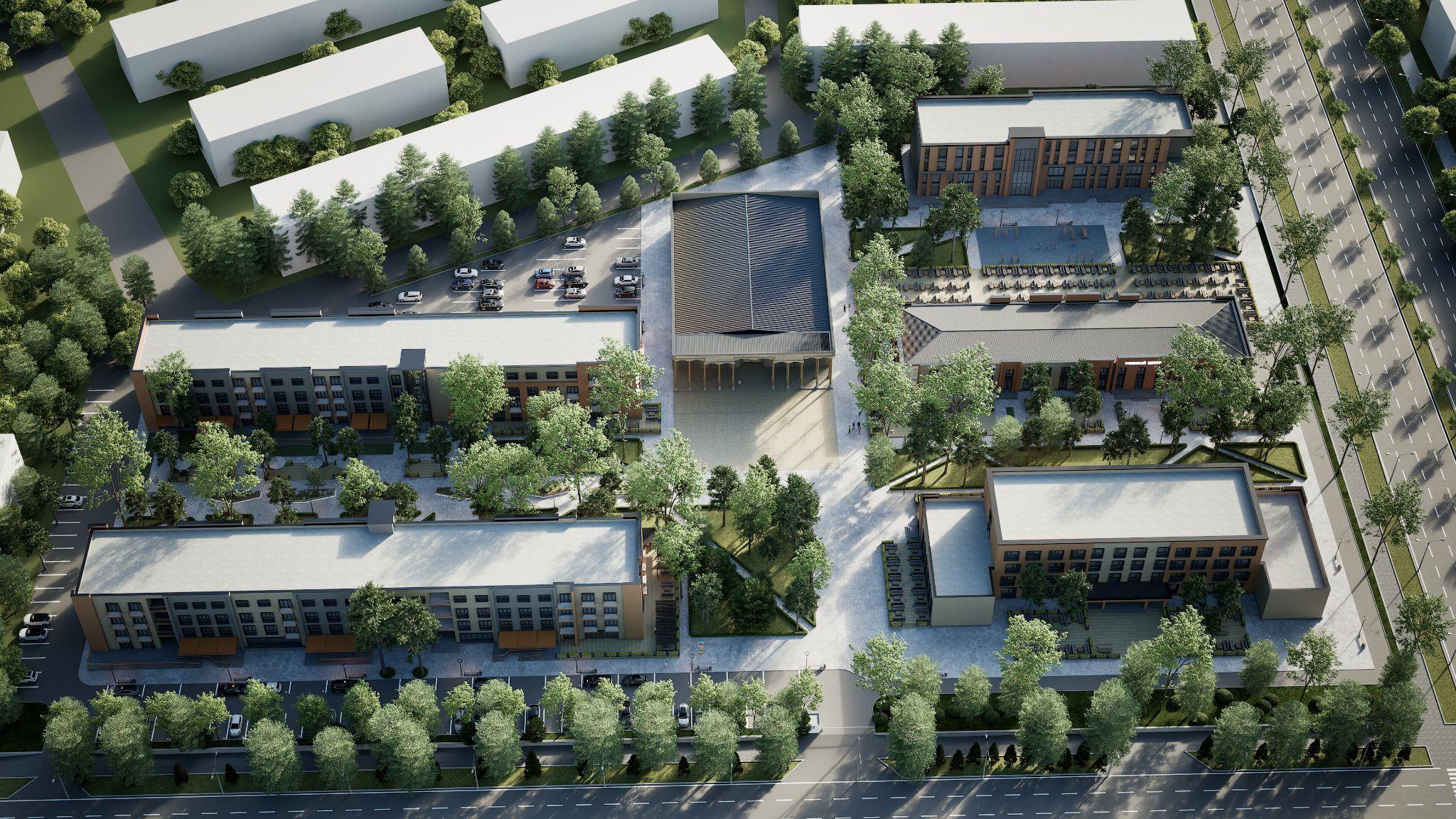
We developed the concept and zoning, that is, the project's strategy. The project consists of six blocks arranged around a pedestrian-oriented gastronomic street. The ground floors will accommodate food service, retail and service facilities, while the upper floors will house educational centres, offices and coworking spaces. The key facilities expected to attract visitors to the cluster include:
- An educational centre covering approximately 6,300 m² and offering various specialisations, including artificial intelligence, digital business, fashion, architecture, culinary arts and hospitality;
- A coworking centre;
- An event hall with an area of approximately 1,145 m².
A total of 139 commercial units are planned within the project, including retail and service spaces, offices, storage facilities and kiosks. The total leasable area exceeds 17,000 m².
A separate rental budget was developed for each facility, while revenue sources were diversified across different areas.
According to the calculations, services, including the education sector, will account for the largest share of projected rental income. Coworking spaces and food services are also important components of the revenue model. Bringing together different areas of activity is intended to reduce the risk of the project's income becoming dependent on a single tenant or type of business.
Thus, an approach aimed at ensuring a long-term revenue stream was developed through the diversification of the rental portfolio and the establishment of a balance between different areas of activity.
We developed management proposals. The project's organisational structure, key functions and human resource requirements were defined. It was also estimated that, following the project's launch, up to 730 jobs could be created through the activities of the management team and tenants.
The project's strengths and weaknesses, opportunities and potential threats were examined through a SWOT analysis. This made it possible to identify key risks in advance and develop appropriate measures to manage them.
What determines the project's success?
When developing a project concept, it is important to determine in advance not only which functions will be accommodated in the building, but also how they will be managed. Following discussions, it was concluded that each educational area should be entrusted to specialised professionals in the respective field. This approach will allow each area to develop based on its own professional experience, methodology and quality standards. The cluster's role will be to coordinate all areas of activity within a single concept and ensure their coordinated operation.
Another important recommendation concerns organising regular events within the cluster. Educational and business events, masterclasses, creative meetings, exhibitions and other formats bring different audiences together in one space. This helps increase visitor numbers, support tenants' activities and build an active community around the cluster. The events calendar should not be random, but closely aligned with the project's concept, target audience and tenants' activities.
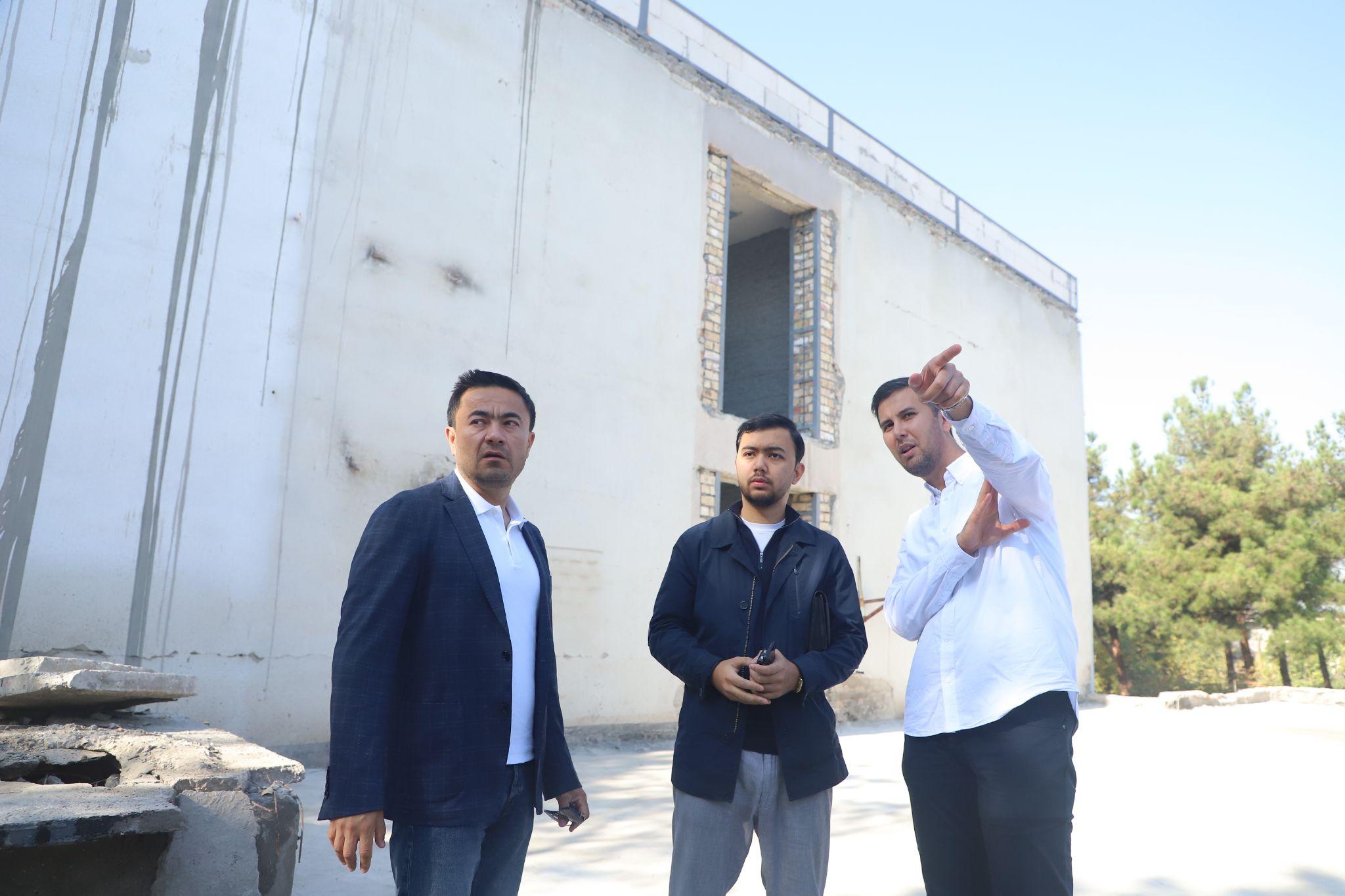
Our work on the project is not limited to strategy and calculations. The CASE team is also working to bring tenants and brands that align with the project's concept into the cluster and is conducting negotiations with them. Lutfiy 47 plans to attract national artisans across five areas. They will have the opportunity to produce traditional handicraft products and continue the master-apprentice tradition. In addition, work is underway to create a comprehensive lifestyle environment for visitors by bringing together banking services, beauty salons and other everyday services.
Agreements have now been reached on the placement of KFC, Costa Coffee and EVOS brands at Lutfiy 47. Negotiations are underway with well-known brands such as Yaponamama, BON and Burger King. The interest shown by international brands in the project demonstrates the market attractiveness of the developed concept and the potential of the location. Furthermore, following our negotiations, plans are underway to open the first GDK (German Döner Kebab) restaurant in Uzbekistan at Lutfiy 47. The brand has 185 locations worldwide.
According to the Head of CASE Advisory, the strategy, concept, architecture, construction and all other processes leading up to the opening account for approximately 40 per cent of a project's success. The remaining 60 per cent depends on how the property is managed after opening. International experience also shows that in sustainable lifestyle centres, a single operator oversees the tenant mix, events programme and quality of services. For this reason, the management model for Lutfiy 47 was developed as an integral part of the strategy: the organisational structure, departments and staffing requirements were defined. A good concept gives a project the right start, while professional management ensures its long-term revenue generation.
What value does this approach create for the investor and the project?
For the investor, the project provides answers to key questions even before construction or reconstruction begins: Who is the building intended for? What functions will it accommodate? How will the spaces be allocated? And what economic results can be expected? This helps reduce investment risks, prevent unnecessary expenses and support informed decision-making.
For architects, a thoroughly developed concept becomes a clear technical brief. As a result, the design process is based not on assumptions, but on market needs, functional requirements and economic calculations.
For the city and young people, the project aims to give existing buildings a new life, use them effectively and create new opportunities. An environment that brings together education, practical experience and professional activities creates conditions for young people to acquire modern professions and engage more closely with businesses.
For local and international tourists, the aim is to make Lutfiy 47 one of Tashkent's distinctive destinations. By bringing together national handicrafts, education, creative industries, gastronomy and modern services in one space, the cluster could become an interesting destination not only for everyday visits but also for guests exploring the city.
For the market, the project offers a cluster model that brings together education, creative industries and business. Its economic and functional concept has been developed based on international experience and local market data.
Most importantly, the project begins not with determining what the building will look like, but first and foremost with understanding why it is needed, how it will operate and what value it will create.
CASE Advisory is a consulting company specialising in the strategic development of commercial real estate. The company helps investors, developers and landowners make informed decisions when developing new projects and reviewing and developing existing properties — shopping centres, hotels, resorts and multifunctional complexes — through market analysis, financial feasibility assessments and concept development. The company has been operating in the market for more than seven years and has participated in over 100 projects across eight countries. The total investment volume of these projects exceeds USD 5 billion, while their combined area exceeds 8 million m².